Flash Joule Heating (FJH) has emerged as a widely studied, novel direct electric heating technology characterized by a broad temperature control range, ultrafast processing, high energy efficiency, and low carbon emissions. Recently, a research team led by Assistant Professor Deng Bing from the School of Environment, Tsinghua University has published a comprehensive review on FJH technology. The review systematically covers its principles, equipment, scale-up progress, and extensive applications in resource recovery and waste upcycling, environmental remediation, and solid-phase material synthesis. Furthermore, the review includes quantitative Life Cycle Analysis (LCA) and techno-economic analysis (TEA) for typical applications and discusses future development directions.
Thermal treatment is a fundamental process to numerous industrial production processes. Currently, much of this industrial heating is powered by fossil fuel combustion and, in theory, could be replaced by electricity-based heating methods. Electric heating methods encompass a range of technologies such as resistance heating, electric arc heating, induction heating and dielectric heating. These methods differ in energy efficiency, temperature range and heating rate.
Flash Joule Heating, a new form of direct resistive heating, was first introduced in 2020. It occurs when a high-power, short-duration electrical pulse from a power source passes through a material, rapidly generating intense heat directly within the chosen material without the need for a heating medium to transfer the heat. The high efficiency, short duration, solvent-free nature and minimal heat loss of FJH processes are improvements compared with other processes such as radiative heating or wet methods. Assistant Professor Deng Bing is pioneering the application of FJH in solid waste resource utilization and environmental remediation. His group has developed a series of new principles and methods, including short-process selective separation and recovery of strategically critical metals, upgrading solid waste into high-value functional materials, and rapid remediation of hazardous solid waste and contaminated soil. These methods have been verified for scaled-up application.
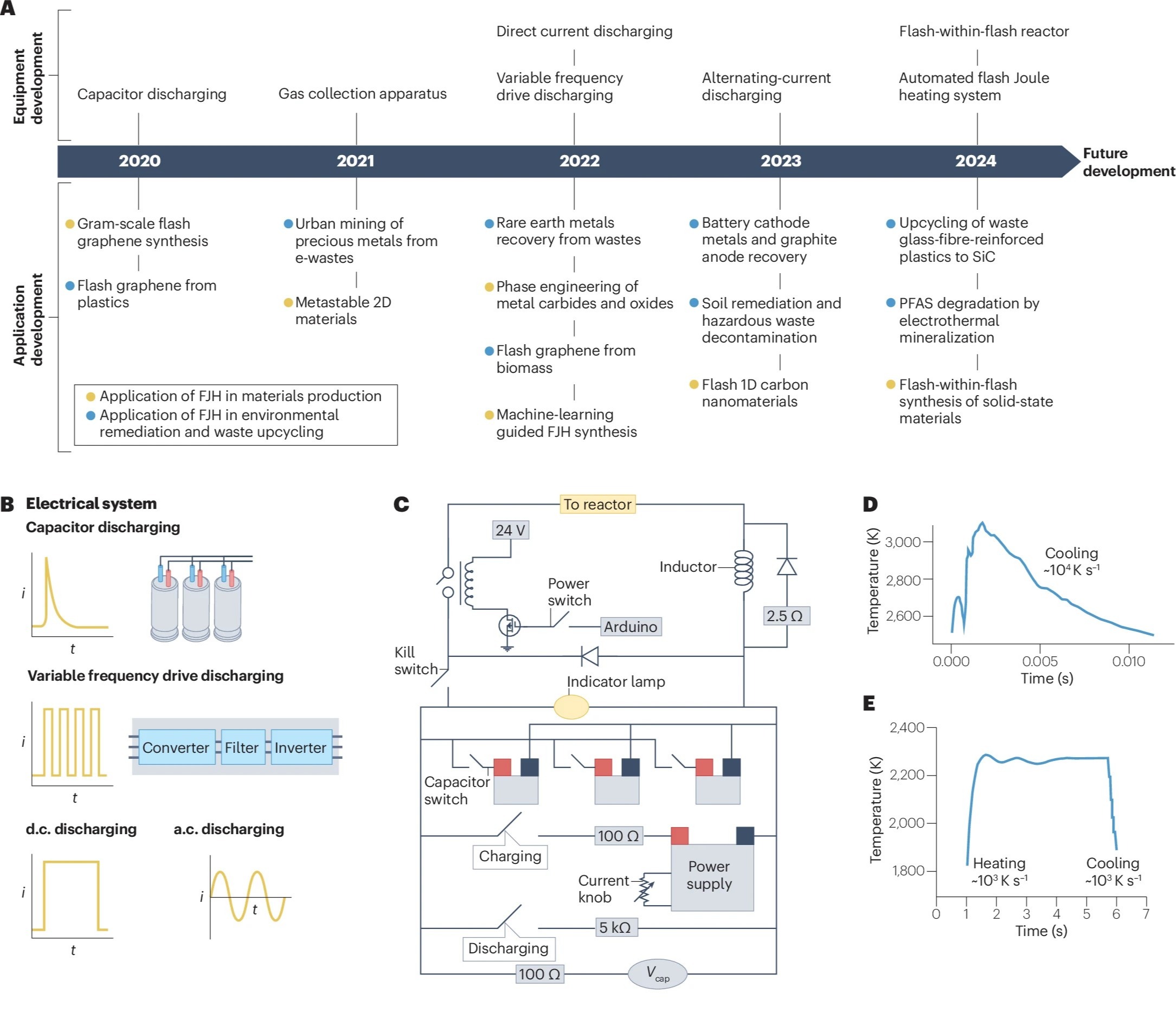
Figure 1. Historical development, electric systems, electronic diagram, and temperature profile of FJH
The article systematically elaborates on the principles, equipment, scale-up, and broad application prospects of FJH. Firstly, it provides detailed explanation of the FJH basic principles, power system design, reactor configuration, and scale-up processes. Secondly, the article introduces the applications in material synthesis, notably the synthesis of high-quality carbon materials like graphene and carbon nanotubes, as well as inorganic solid-phase material synthesis and phase control. Subsequently, the article details its applications in resource recovery and waste valorization, including the separation of strategically critical metals, battery recycling, valorization of inorganic solid wastes, and value-added conversion of carbon-rich solid wastes into functional carbon materials. Furthermore, the article discusses the technology’s applications in environmental remediation, including soil remediation and the degradation of emerging contaminants such as PFAS. Finally, the article conducts TEA and LCA of typical applications of FJH technology, demonstrating its significant advantages in reducing energy consumption and carbon emissions, as well as lowering process costs. As a clean and efficient thermal treatment technology, FJH has emerged as a research hotspot and disciplinary growth area in fields such as solid waste resource utilization, pollution remediation, and low-cost material preparation.
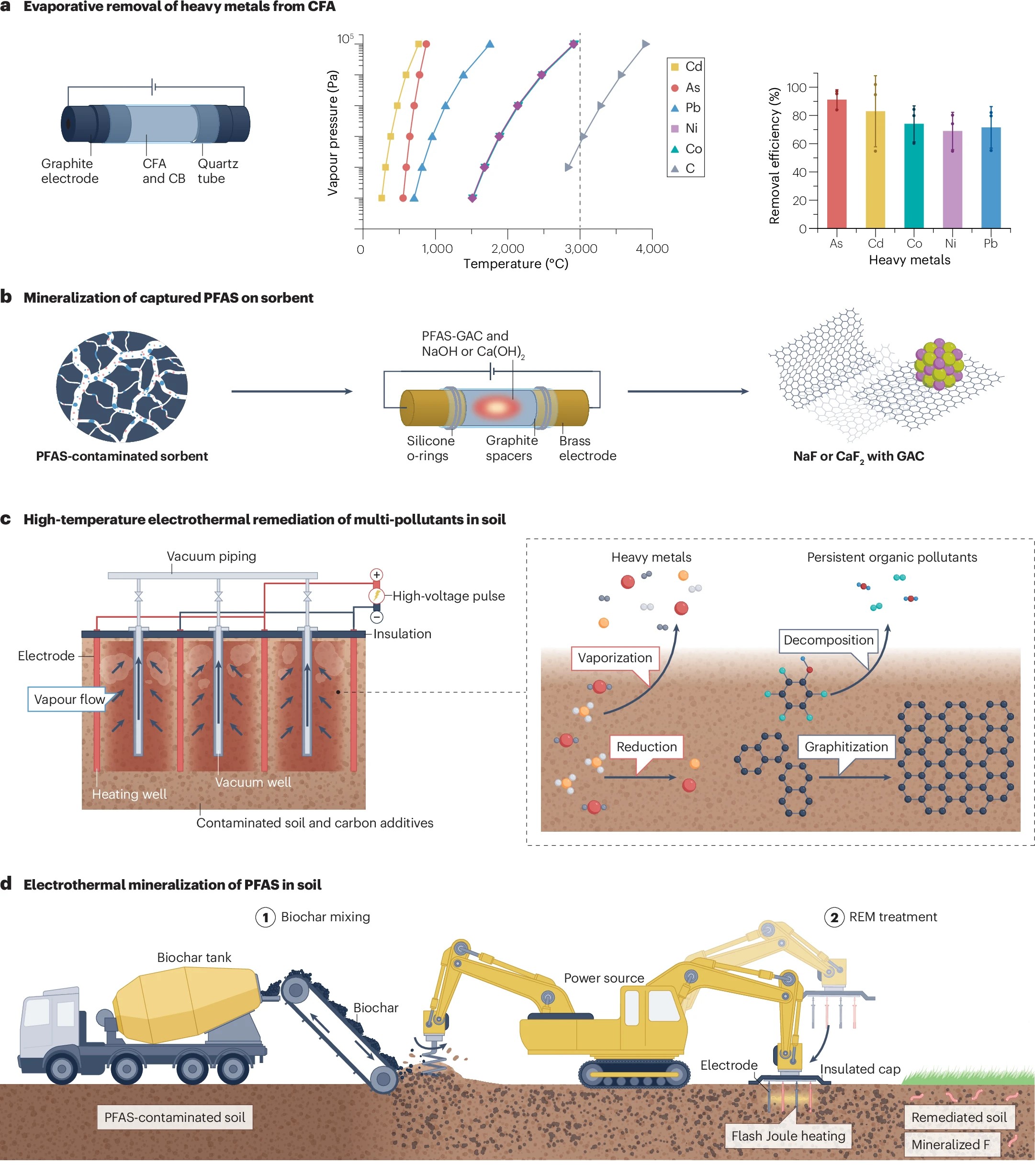
Figure 2. Flash Joule heating (FJH) can be used in waste decontamination and soil remediation instead of or in addition to conventional processes.
The related research, titled “Flash Joule heating for synthesis, upcycling and remediation,” was published on January 15, 2025 in Nature Reviews Clean Technology. This journal is the newest addition to the Nature Portfolio, launched in January 2025, dedicated to reporting major advancements in clean technology and sustainability.
Assistant Professor Deng Bing from Tsinghua University’s School of Environment is the first author. He shares corresponding authorship with Professor James M. Tour, a member of the U.S. National Academy of Engineering, from Rice University. Other key collaborators include Dr. Lucas Eddy (Rice University), Dr. Kevin Wyss (Schlumberger), and Associate Professor Chandra Sekhar Tiwary (Indian Institute of Technology). The research received funding from the National Natural Science Foundation of China, the National Key R&D Program, and Tsinghua University startup funds.
Paper Link: https://doi.org/10.1038/s44359-024-00002-4