From August 10 to 30, Tsinghua University, in collaboration with the Norwegian University of Life Sciences (NMBU), Nanjing University, Inner Mongolia University, and Beijing Normal University, successfully convened the 2025 Sino-Norwegian Summer Course.
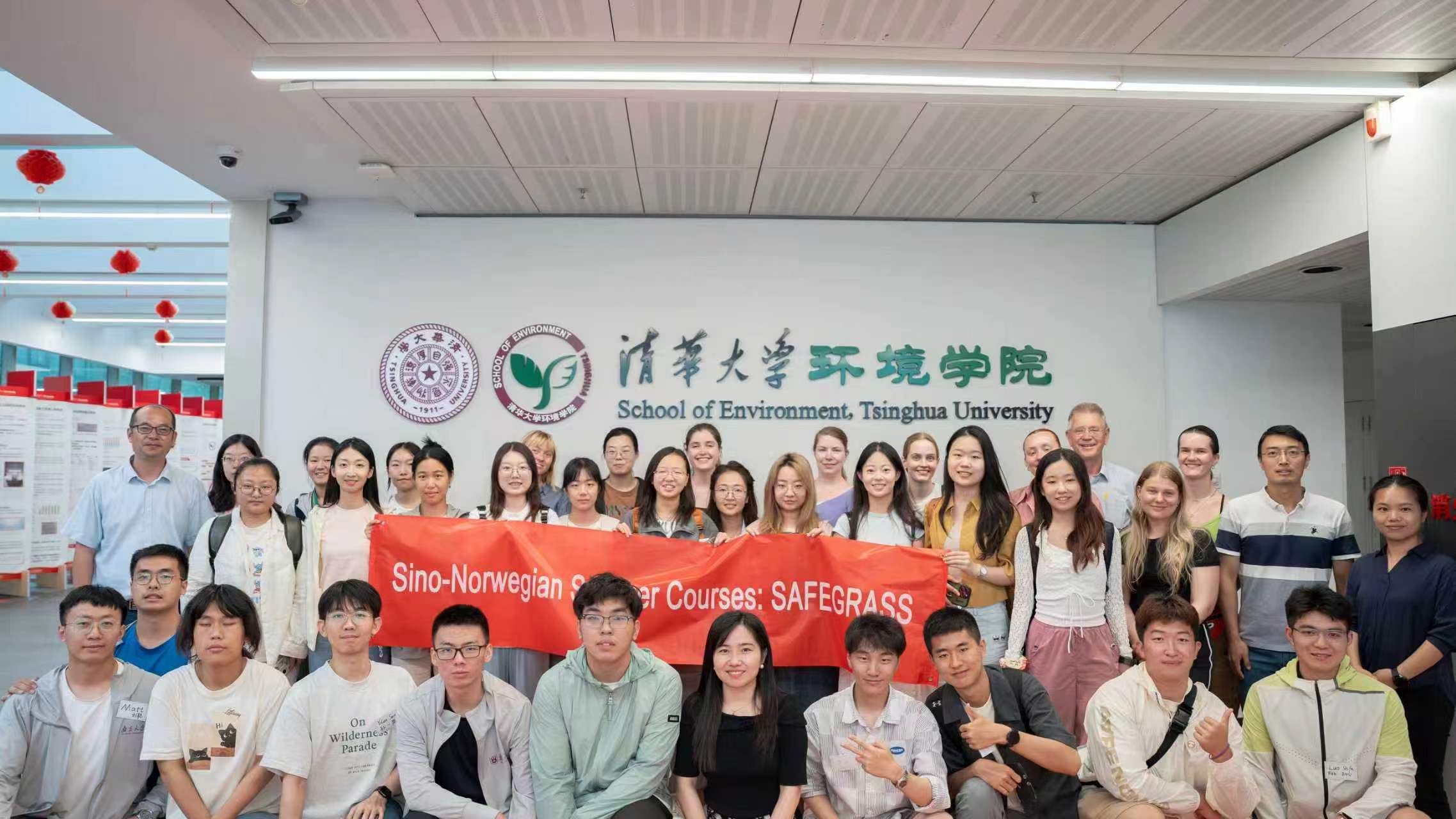
Centering on the theme “Synergetic Solutions for Climate Change, Mercury Pollution, and Biodiversity Loss under Multiple International Conventions,” the program brought together 33 undergraduate and graduate students from China and Norway. Under the guidance of an international faculty team, participants engaged in an intensive scientific journey across Beijing, Baotou, and Hohhot, encompassing theoretical lectures, field sampling, laboratory analysis, and academic presentations.
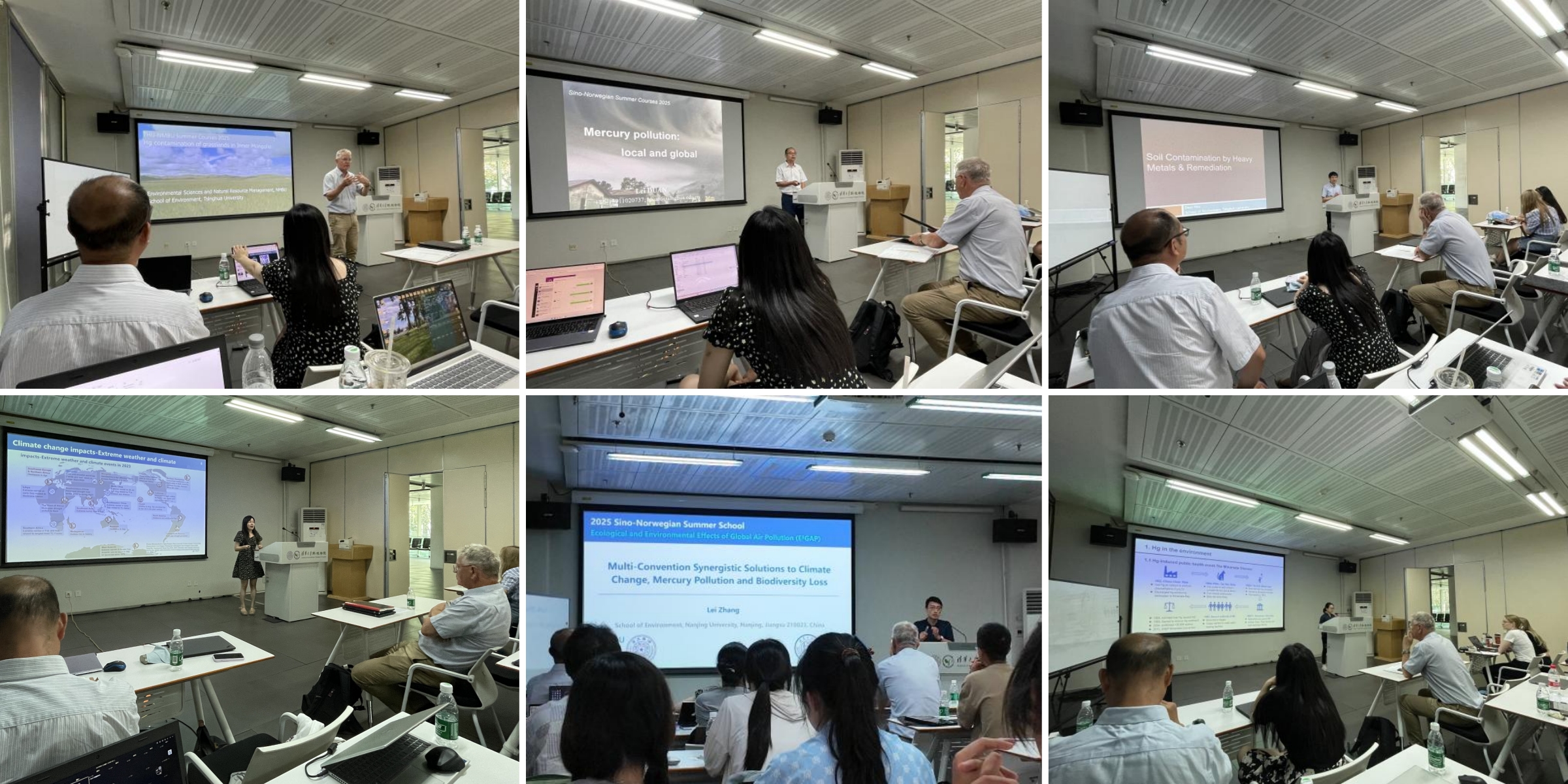
The course commenced on August 11 at the School of Environment, Tsinghua University. Professor Jan Mulder, a member of the Norwegian Academy of Science and Letters from NMBU, and Professor Duan Lei from Tsinghua University delivered the opening remarks and started the theoretical phase.
A distinguished faculty including Professors Hou Deyi (Tsinghua), Zhang Lei, Yu Qian, and Tang Wenli (Nanjing University) gave a series of lectures covered cutting-edge topics such as soil organic matter, the global mercury cycle, heavy metal pollution, greenhouse gas observation, and international environmental conventions, providing students with a robust theoretical framework for their subsequent practical work.
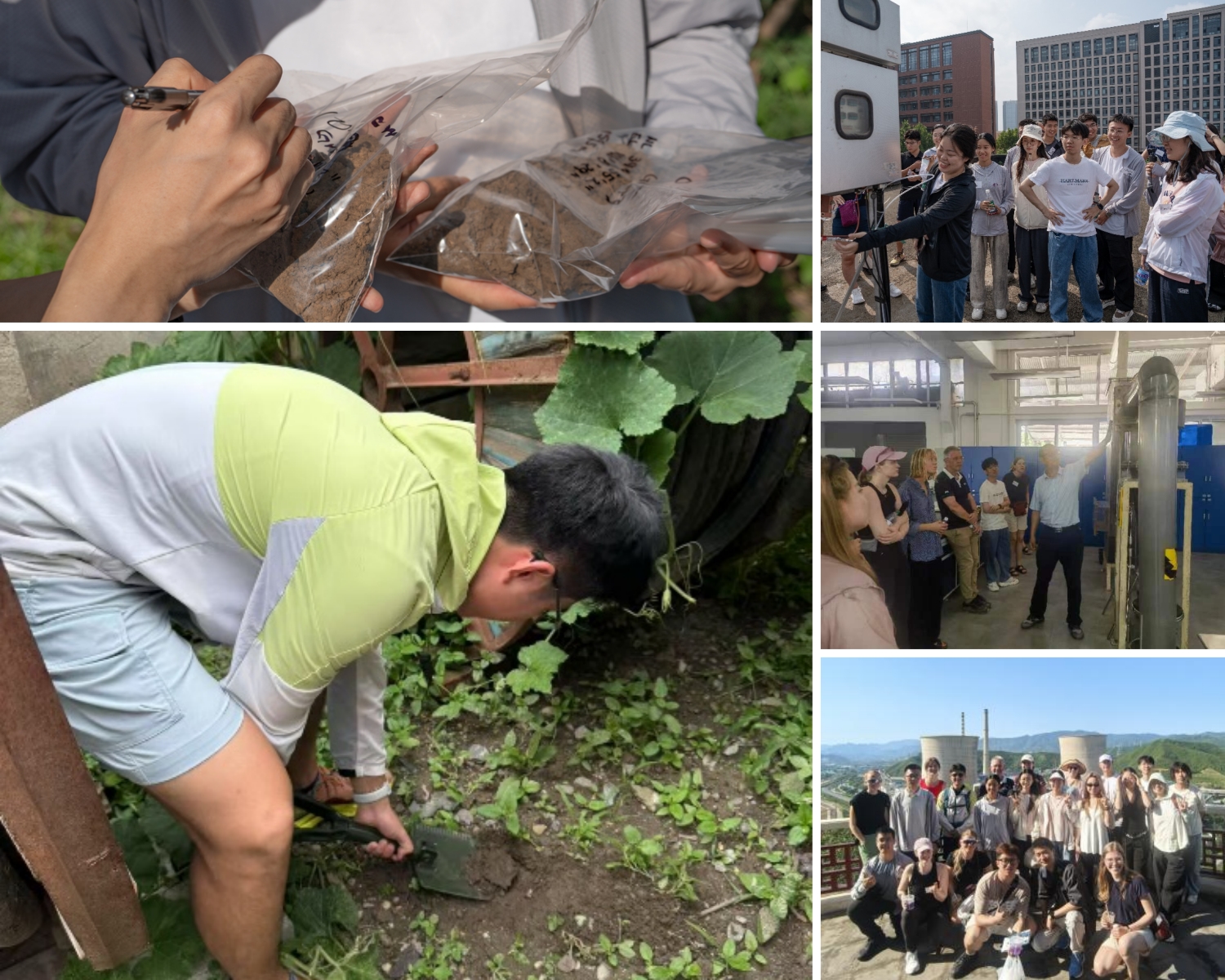
From August 13 to 15, led by Professor Duan Lei, students visited Tsinghua’s atmospheric monitoring stations and laboratories to gain hands-on experience with mercury monitoring instruments and flue gas treatment technologies. After mastering sampling techniques on the Tsinghua campus, the cohort traveled to Shougang Park. There, they investigated pollution emission mechanisms in metallurgical processes and collected environmental samples from nearby Shijingshan for comparative laboratory analysis, effectively bridging the gap between classroom theory and industrial reality.
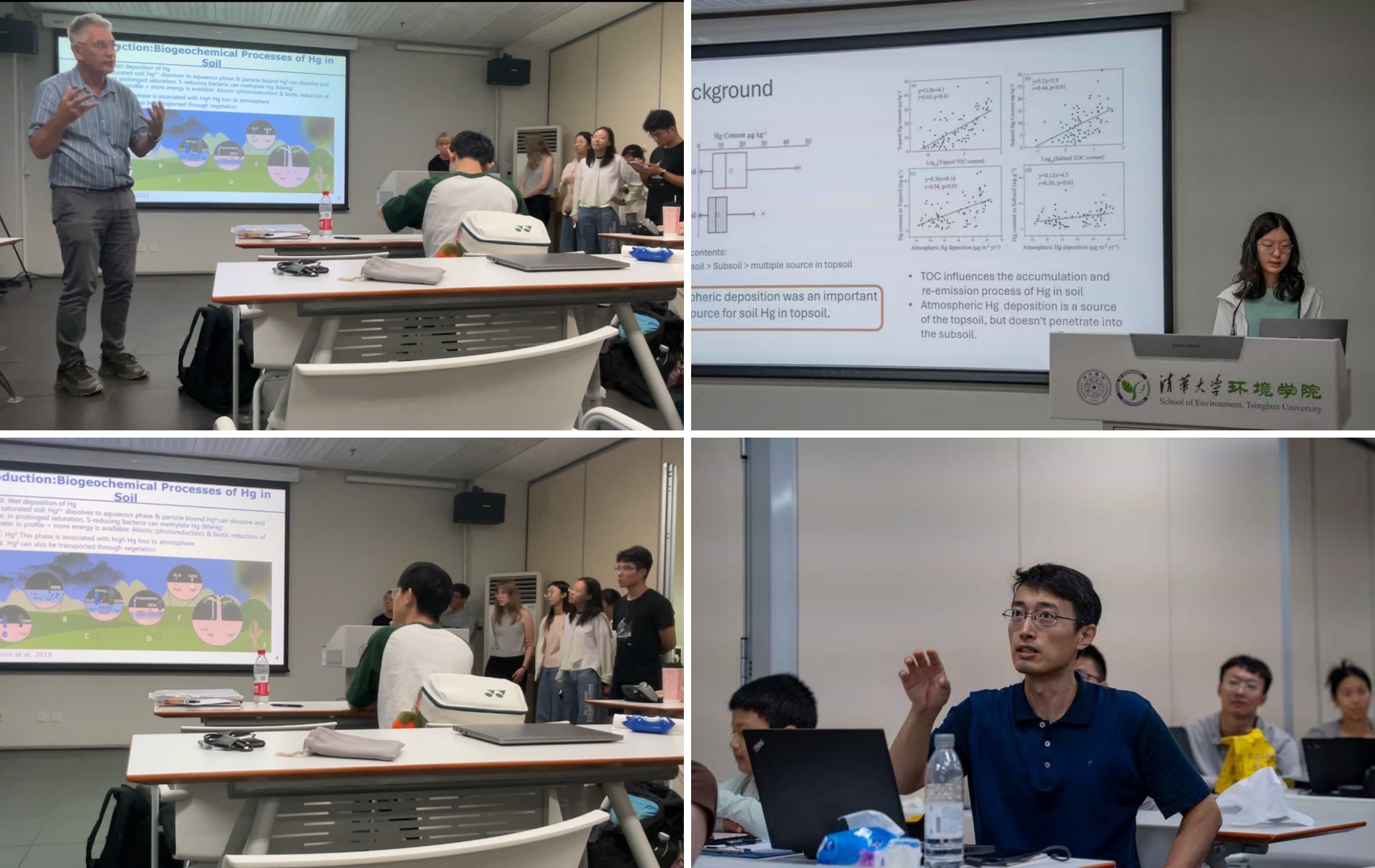
Following the field trips, students conducted literature reviews and presented preliminary findings on August 18. By comparing soil moisture, organic matter, and mercury content between the Shougang and Tsinghua samples, the groups formulated scientific hypotheses for the next stage of their research in Inner Mongolia.
The ecological exploration phase began on August 19 at the School of Ecology and Environment, Inner Mongolia University. Professors Li Yonghong and Wang Zhongli discussed the unique challenges facing grassland ecosystems, mercury bioaccumulation, and food safety.
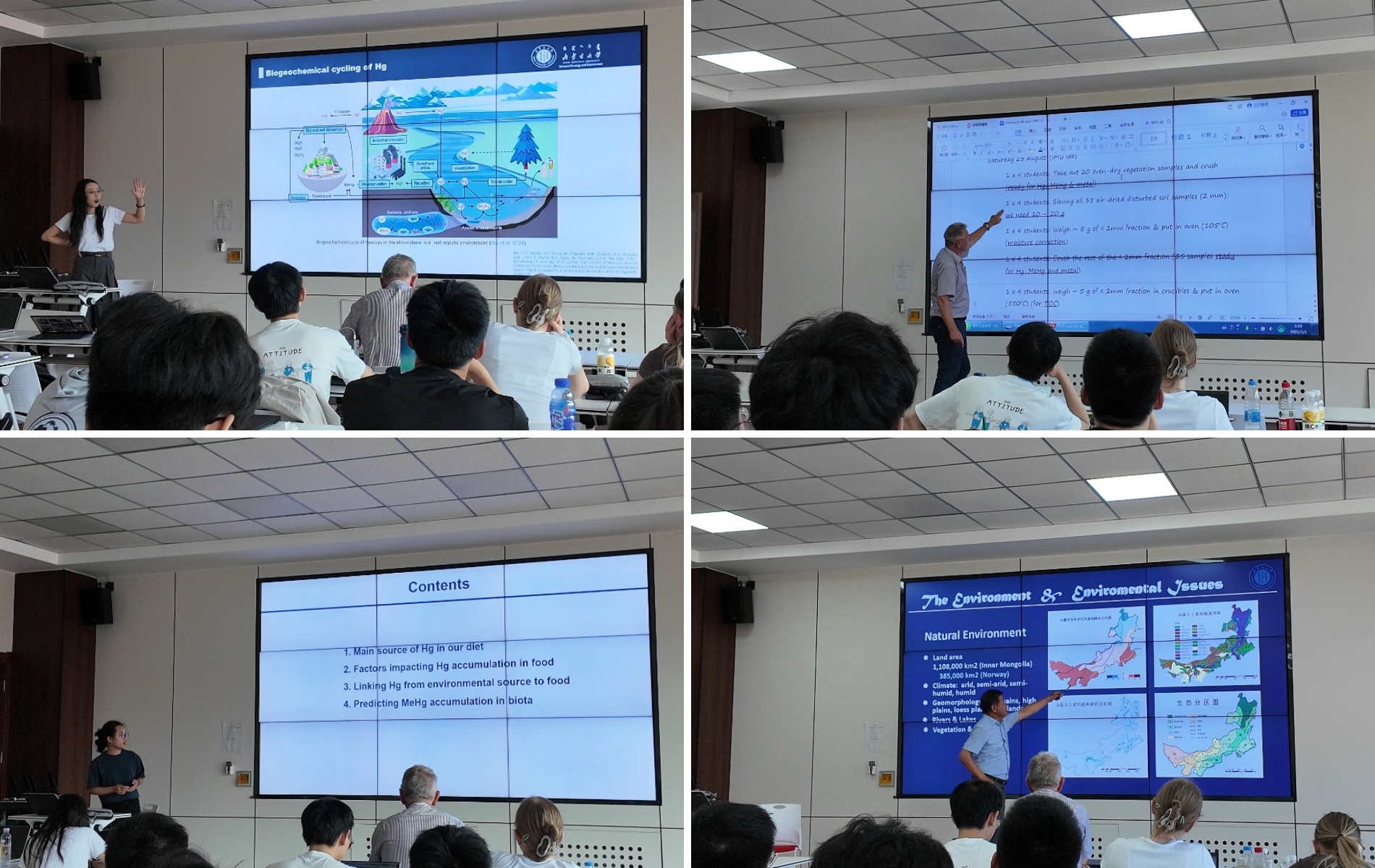
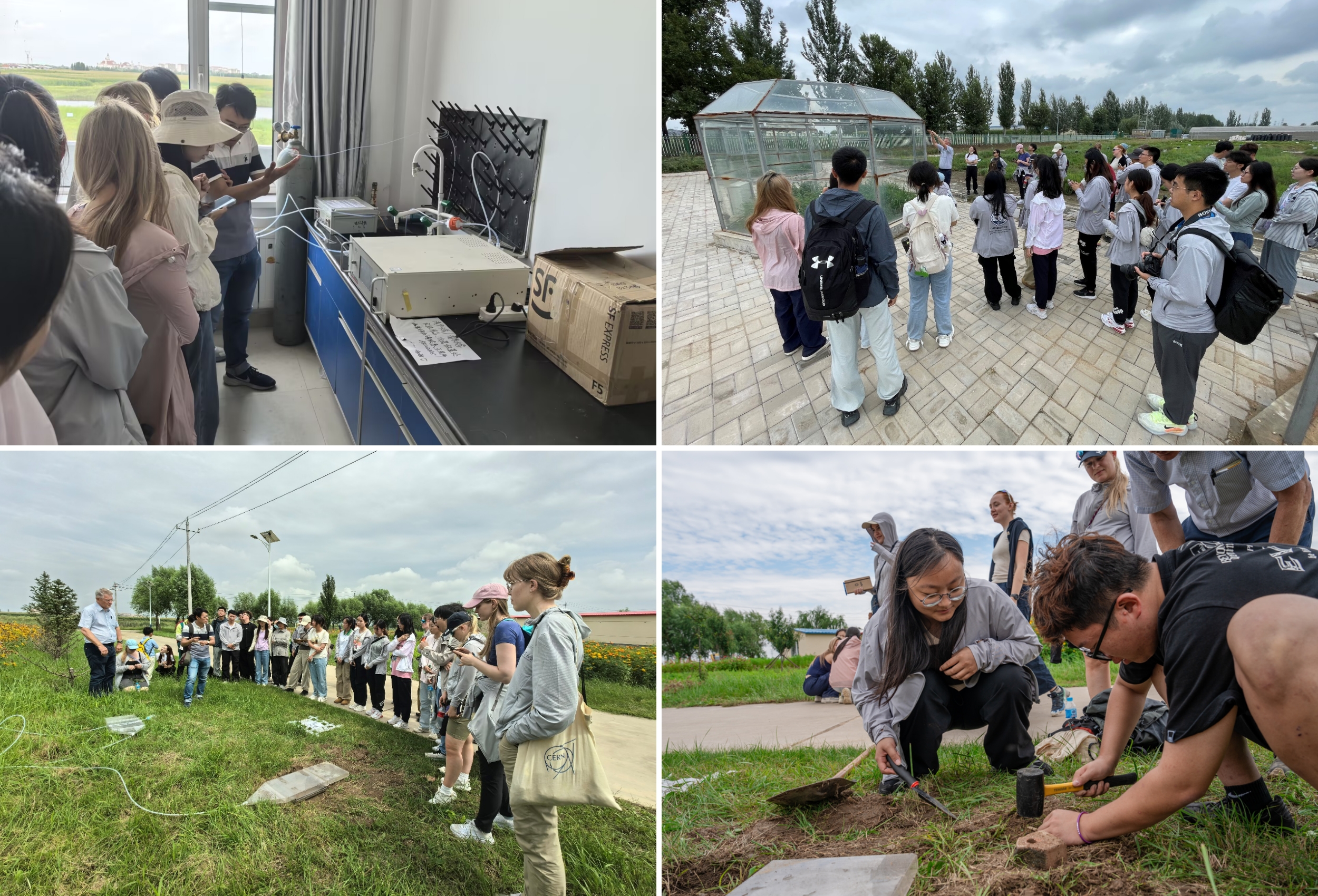
During the subsequent field sessions, participants conducted extensive sampling in agricultural and grassland systems near Baotou and Hohhot. They visited the research base of the Institute of Grassland Research (CAAS) to observe equipment for climate change monitoring and mercury air-surface exchange flux measurements.


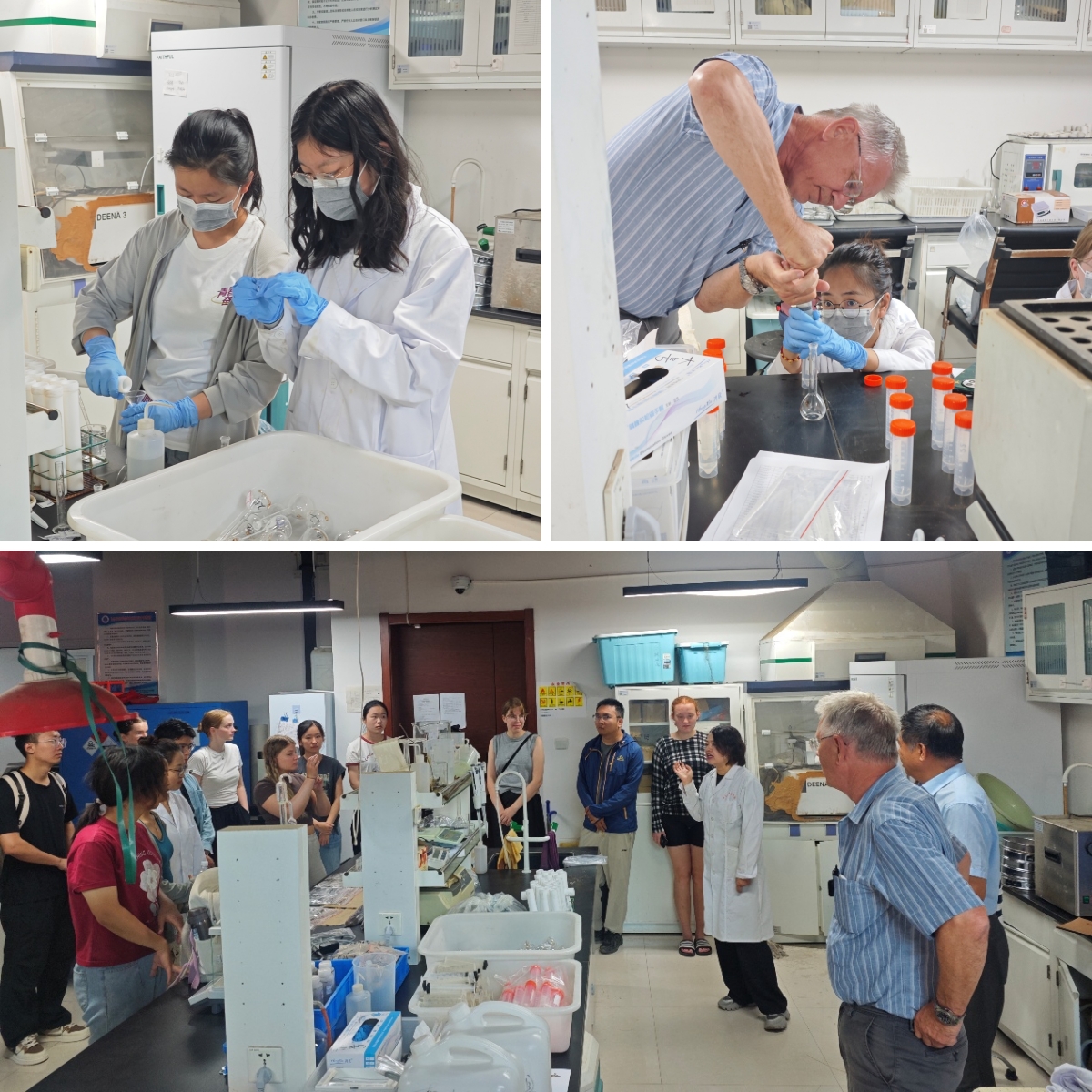
The final week focused on rigorous data processing and analytical synthesis. Students collaborated across institutions to measure mercury and heavy metal concentrations in soil, vegetation (Stipa grandis), and local products such as wool and cheese.
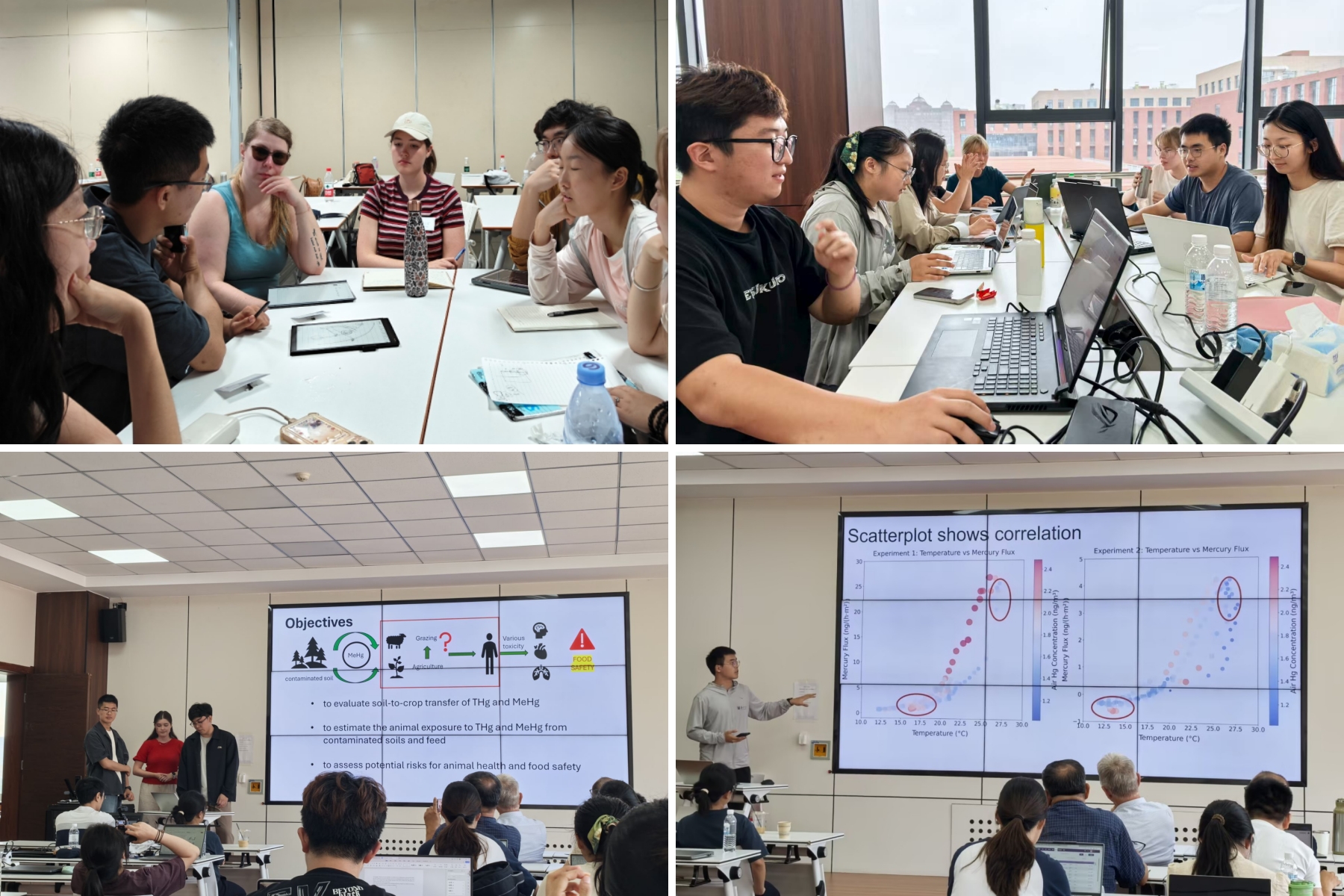
The course culminated in a series of high-level English presentations from August 26 to 29. Students presented comprehensive research reports covering experimental hypotheses, data discussion, and policy implications. The faculty praised the students' ability to identify complex phenomena—such as the influence of environmental factors on atmospheric mercury deposition—noting that these insights provided valuable directions for future academic inquiry.
The course concluded with a heartfelt closing ceremony where Chinese and Norwegian students and faculty exchanged gifts and well-wishes, celebrating the successful completion of this cross-cultural and interdisciplinary scientific mission.