On September 2, the 128th Tsinghua Environment Forum was held at the School of Environment, Tsinghua University. Professor Zhou Weisheng, a Foreign Fellow of the Engineering Academy of Japan, Special Appointed Professor at Ritsumeikan University, Honorary President of the Ritsumeikan Confucius Institute, and Special Appointed Professor at Kyoto University, was invited to deliver a keynote lecture titled “Global Recycling System: Constructing a Circular and Low-Carbon Society.”
The forum was chaired by Professor Liu Jianguo, Associate Dean of Xiuzhong College and Director of the Division of Solid Waste Management at the School of Environment. Professor Hu Hongying, Chair of the Academic Committee of the School of Environment and Dean of Xiuzhong College, along with over 60 faculty members, and students, participated in the discussion regarding the construction of global resource circulation systems and pathways for low-carbon development.
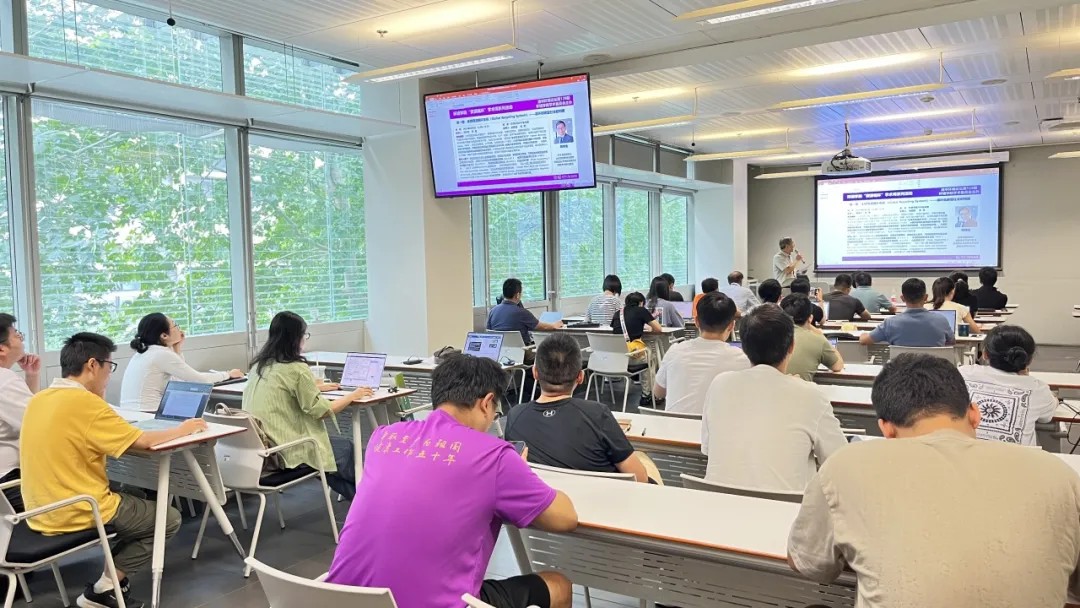
Figure 1. Professor Liu Jianguo chairing the forum.
In his presentation, Professor Zhou pointed out that in the face of continuous growth in global resource consumption and increasing pressure from waste emissions, the traditional linear economic model is no longer sustainable. He emphasized that constructing a global resource recycling system is pivotal to achieving carbon neutrality and promoting sustainable development. Drawing on practices from Japan and the European Union, he systematically introduced the role of resource circulation in energy utilization, material recovery, and the restructuring of industrial chains. Professor Zhou underscored the significance of legal frameworks, social engagement, and transnational cooperation in advancing a circular, low-carbon society. While acknowledging China's positive progress in solid waste treatment and circular supply chains, he noted that challenges remain in institutional synergy, international collaboration, and the development of high-end recycled materials. He recommended further strengthening policy integration, leveraging technological innovation, and focusing on regionally differentiated management to enhance China's role within the global circular economy network.
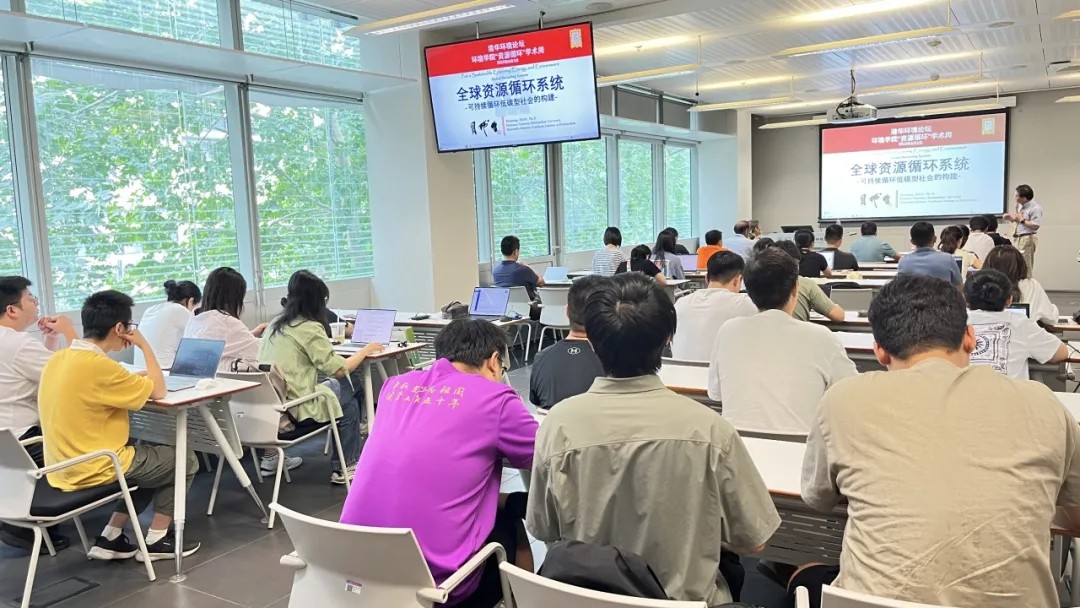
Figure 2. Professor Zhou Weisheng delivering his keynote report.
The subsequent interactive session saw vibrant discussions on topics such as the connotations of the circular economy, public communication strategies, transnational cooperation mechanisms—using the Global Plastics Treaty negotiations as a case study—carbon footprint accounting, and the technological outlook for plastic recycling. Professor Zhou shared insights from his extensive international project experience and offered suggestions for future research. He encouraged young scholars to adopt interdisciplinary perspectives and global mindsets to actively contribute to the exploration of resource circulation and low-carbon societies.
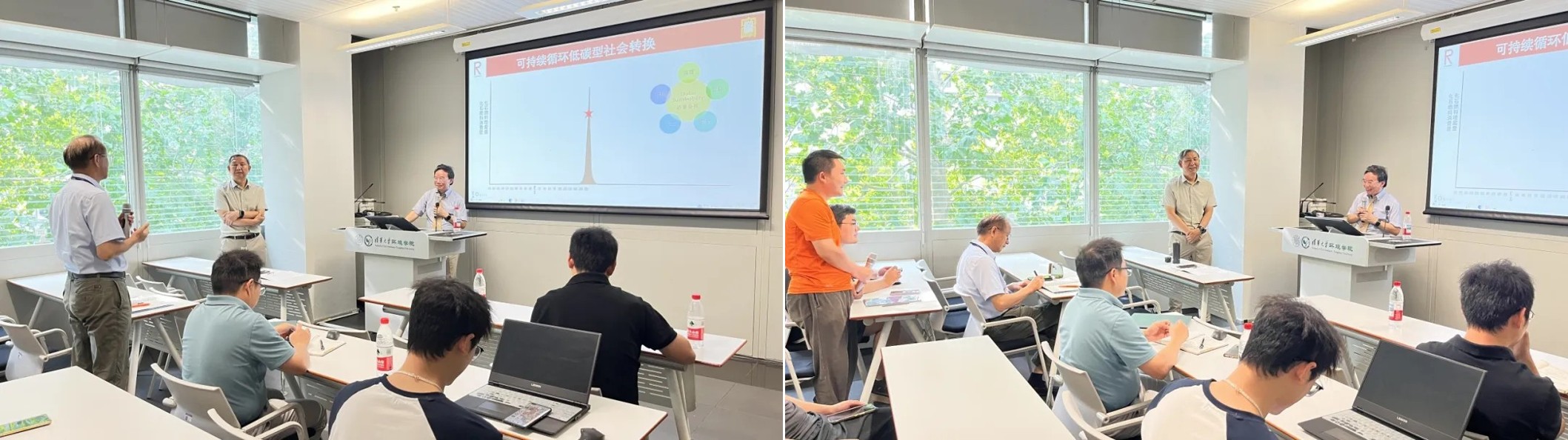
Figure 3. Faculty and students engaging in academic exchange with Professor Zhou.
This forum provided the Tsinghua community with valuable insights into the frontiers of global resource cycling. It served as a vital platform for fostering international cooperation, promoting interdisciplinary synergy, and facilitating high-level academic exchange.
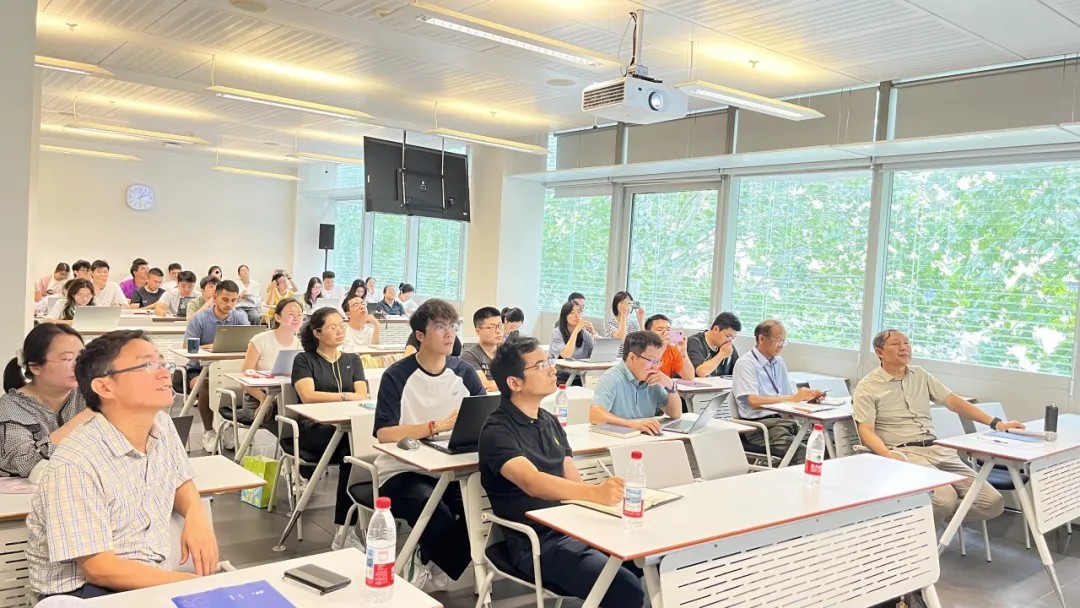
Figure 4. The venue of the forum