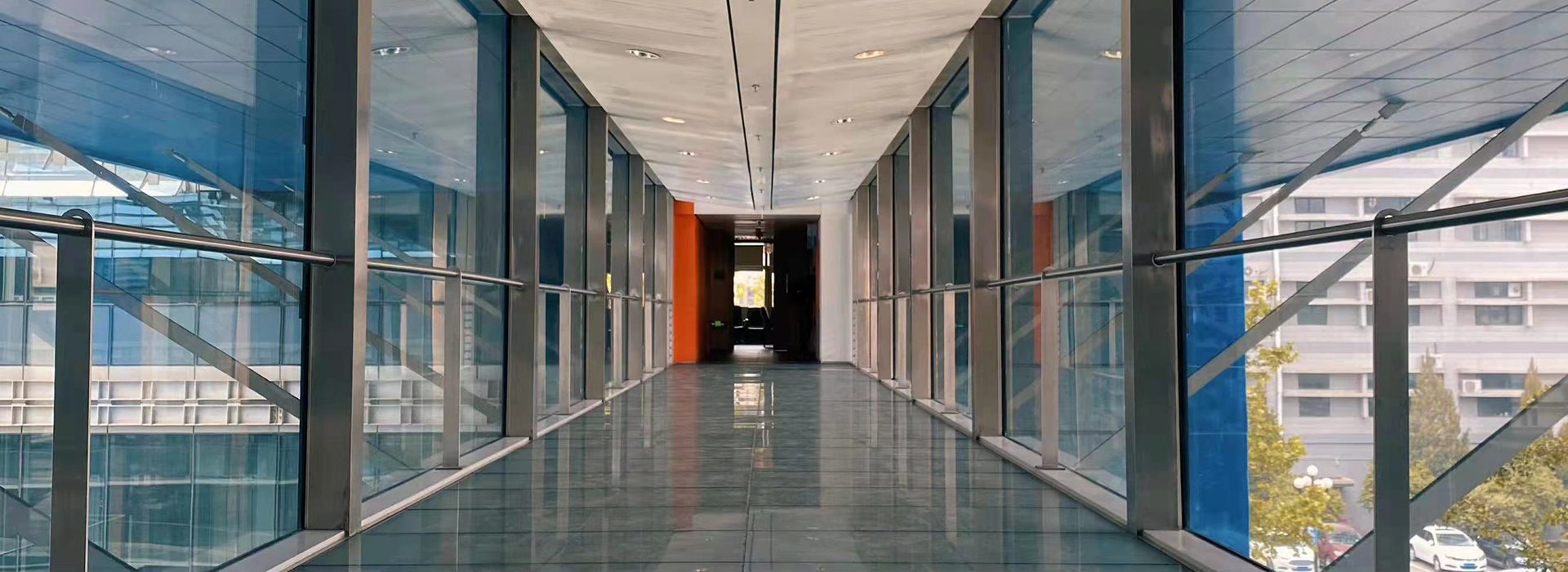
From October 1 to 3, the 10th Model United Nations Climate Change Conference (MCCCOP10) was successfully held, hosted across the campuses of Tsinghua University and Beijing 101 Middle School. The conference was co-hosted by the School of Environment at Tsinghua University, Xiuzhong College at Tsinghua University, and the UNESCO Regional Office for East Asia. It was organized by Beijing 101 Middle School, the Tsinghua University Student Association on Net-Zero Future, the Global Green Governance Talent Program (Global GGT) of Xiuzhong College, and the Global Environment Program (GEP) of the School of Environment. Supporting partners included the Lao Niu Foundation, the Global Alliance of Universities on Climate (GAUC), the China Youth Development Foundation, and the Mercedes-Benz Star Fund. Professional guidance was provided by the Institute of Climate Change and Sustainable Development and the Center for Global Competence Development at Tsinghua University.
Strictly adhering to the rules of procedure of the Conference of the Parties (COP) under the United Nations Framework Convention on Climate Change (UNFCCC), MCCCOP10 recreated the negotiation process through plenary sessions, working group meetings, and bilateral consultations. The negotiation topics for this conference session are National Adaptation Plans (NAPs) and Gender and Climate Change (GCC). Delegates utilized their expertise in climate science and international relations to engage in high-level negotiations, gaining hands-on experience in international governance mechanisms while honing their communication, negotiation, and English linguistic skills.
The opening ceremony took place on the morning of October 1 at the School of Environment. Distinguished guests included Zhang Xiaoyuan, Assistant Dean of the School of Environment; Cao Jing, Assistant Dean of Xiuzhong College; Li Jinhui, Professor at the School of Environment and Executive Director of the BCRC China; Cai Lei, Assistant Principal of the International Department at Beijing 101 Middle School; and Sun Ruoshui, Research Assistant at the Institute of Climate Change and Sustainable Development. Zhang Jian, Deputy Secretary-General of GAUC, delivered a video address. Over 200 delegates from more than 70 universities and 40 high schools attended the event.
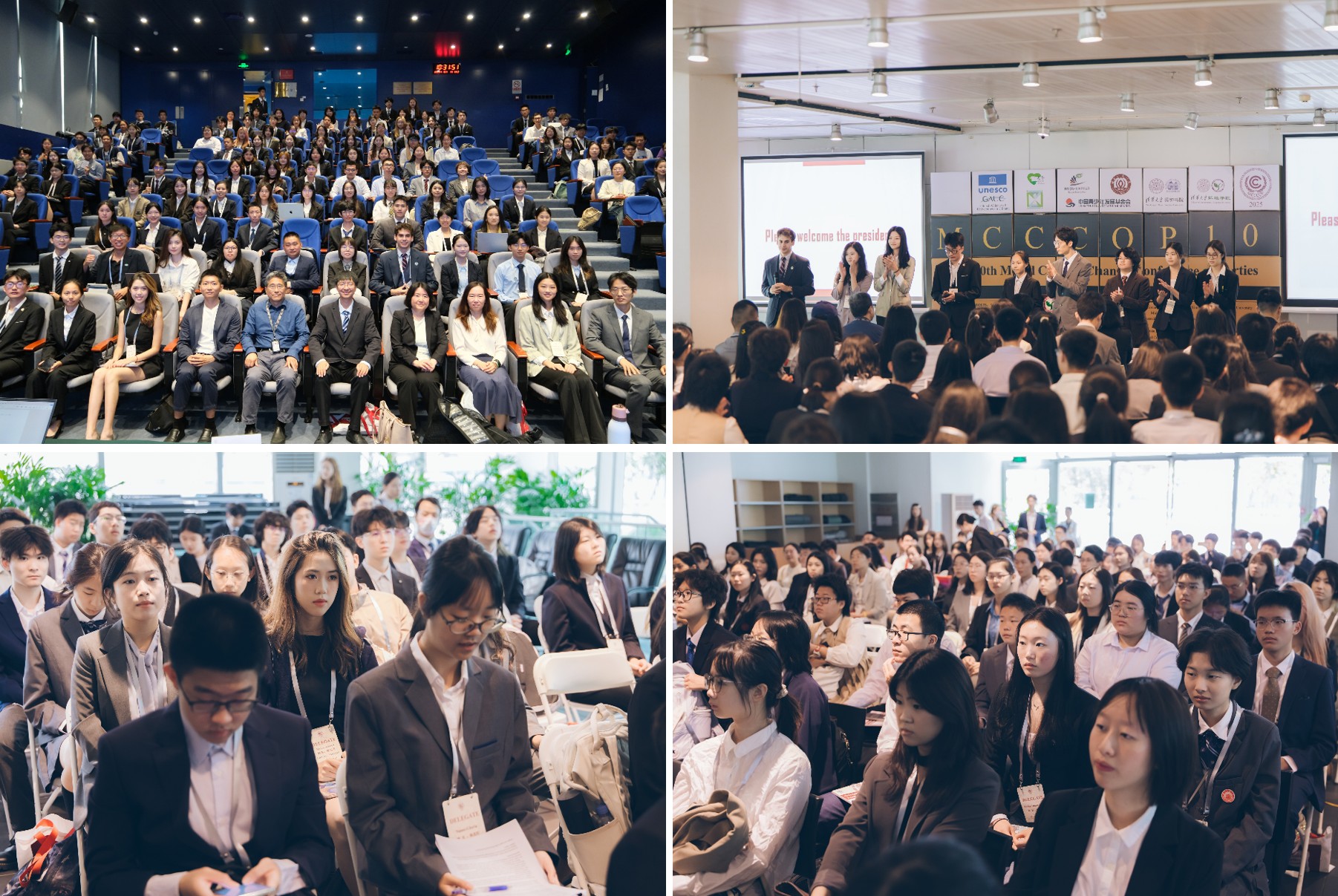
The Opening Ceremony of MCCCOP10.
In his remarks, Zhang Xiaoyuan noted that MCCCOP serves as a “training ground” for future climate leaders, providing practical experience in collaboration and problem-solving. Cao Jing encouraged delegates to approach discussions with a strong knowledge base and clear ethical awareness to propose innovative solutions. Cai Lei emphasized that youth must explore and innovate to address the urgency of climate change collectively. Zhang Jian highlighted GAUC’s initiative to mobilize global youth for simulated negotiations on the 10th anniversary of the Paris Agreement, urging delegates to become pioneers of climate action.
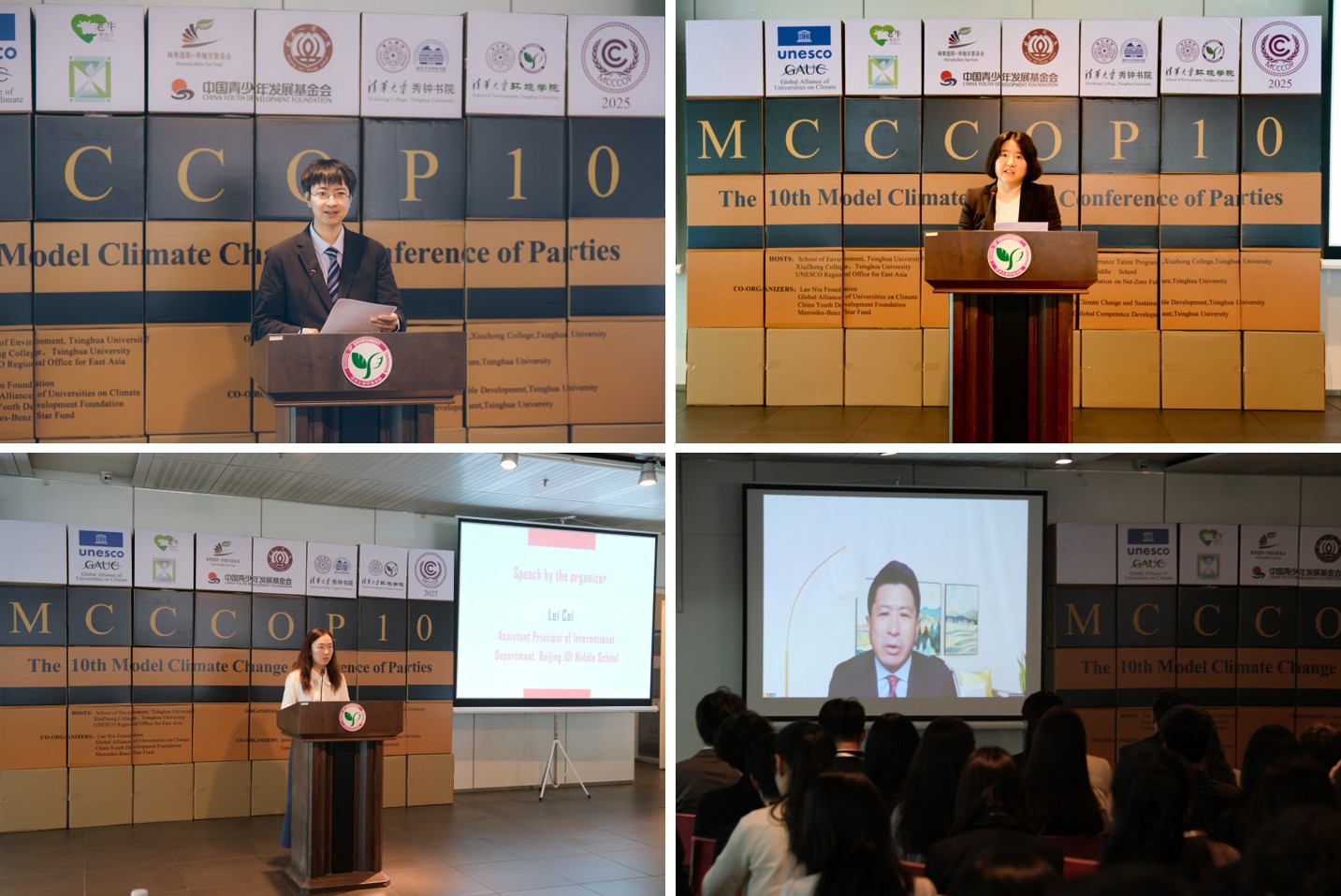
Opening remarks delivered by (from left to right, top to bottom): Zhang Xiaoyuan, Cao Jing, Cai Lei, and Zhang Jian.
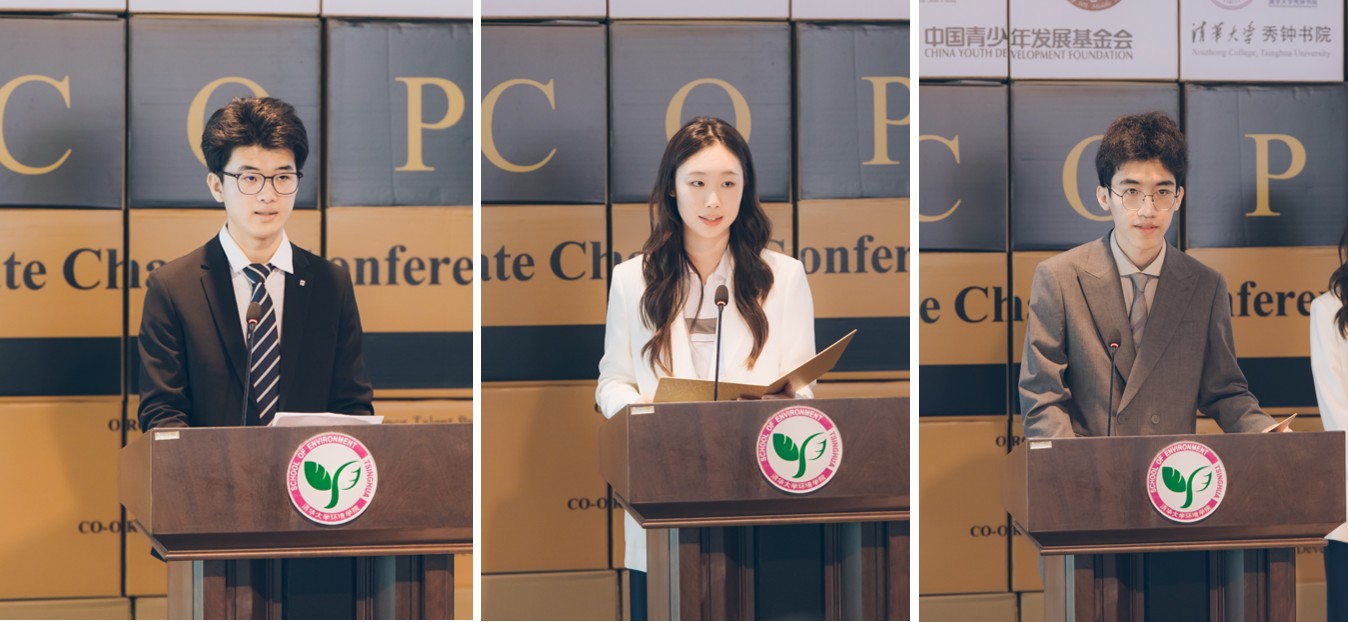
Secretaries-General of the main and satellite venues delivering speeches (from left to right): Hu Yunche, Du Shuyi, and Li Zishuo.
Over the three-day conference, delegates engaged in intensive deliberations across two venues.
At the main venue, the first day of the conference was marked by intensive deliberations on the intersection of Gender and Climate Change (GCC). Delegates reached a landmark consensus on a ten-year extension of the Lima Work Programme on Gender and its Gender Action Plan, while formally advocating for the integration of gender-responsive perspectives into national climate policy frameworks. The second day saw a transition toward the refinement of the National Adaptation Plans (NAPs). Following rigorous debates concerning the differentiation of climate responsibilities, financial mechanisms, and the legal stringency of the proposed text, participants established a robust progress assessment mechanism slated for 2028. A significant consensus was also reached on mobilizing support for developing nations in their strategic formulation and implementation of NAPs. Advancing the negotiations through an “integrated package” consultation model, the delegates successfully steered both draft resolutions through the Plenary of the Ad Hoc Working Group on the Paris Agreement (APA), leading to their formal ratification by the Conference of the Parties (COP).
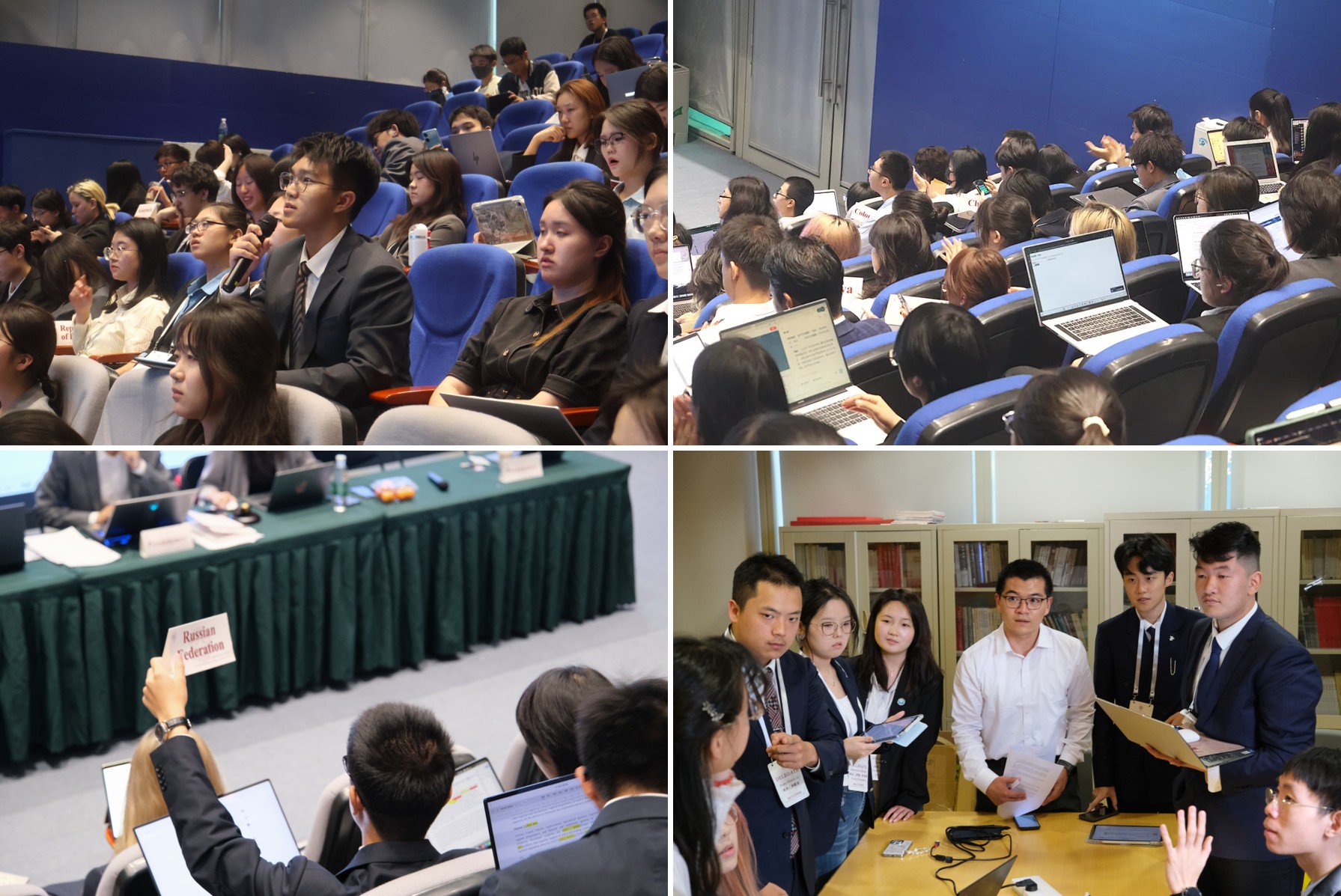
Scenes from the main venue, School of Environment, Tsinghua University.
At the sub-venue, negotiations centered exclusively on the National Adaptation Plans (NAPs). The first day’s sessions focused on ensuring adequate and predictable financial support for developing countries and verifying the fulfillment of commitments by developed nations regarding finance, technology transfer, and capacity building. Key discussions also addressed the balance between respecting national circumstances and establishing effective international reporting and review mechanisms, alongside strengthening protections for indigenous knowledge and vulnerable groups within the provisions. On the second day, delegates negotiated the specific clauses related to the sources and allocation channels of NAP financing, as well as strategies to ensure that national submissions collectively enhance global resilience. Several outstanding issues from previous sessions were resolved, and the outcomes successfully passed the APA Plenary review. The draft resolution was officially adopted during the satellite venue’s concluding COP session.
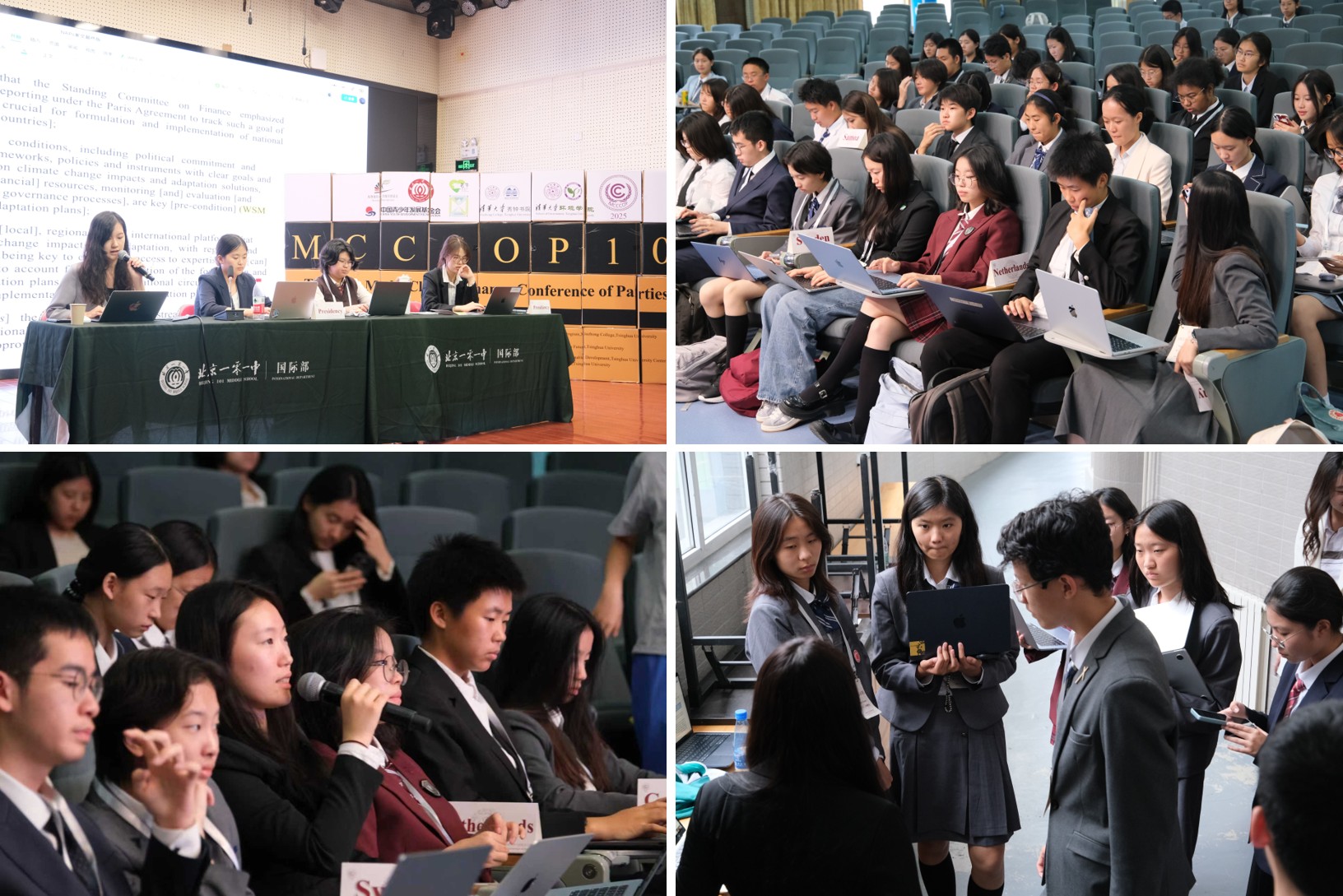
Scenes from the sub-venue, Beijing 101 Middle School.
The conference also featured side events and “Climate Board Game” workshops. Seven teams presented interactive exhibitions on sustainable practices worldwide. A joint team from the AILAC and LMDC groups won the Best Side Event Presentation Award for their focus on the climate resilience of the coffee industry in the Andes and the Indian Ocean, highlighting the role of South-South cooperation and women in agriculture. During the “Climate Board Game” workshops, delegates engaged with a series of innovative simulations, including “SDG Industry Master,” “The Climate Hand,” and “Carbon Neutrality Star.” These interactive sessions allowed participants to transcend traditional learning, blending the enjoyment of strategic gameplay with a profound deepening of their understanding of climate change and sustainable development. The workshops effectively catalyzed a stronger sense of individual agency and active participation among the youth delegates.

Delegates participating in the side events.
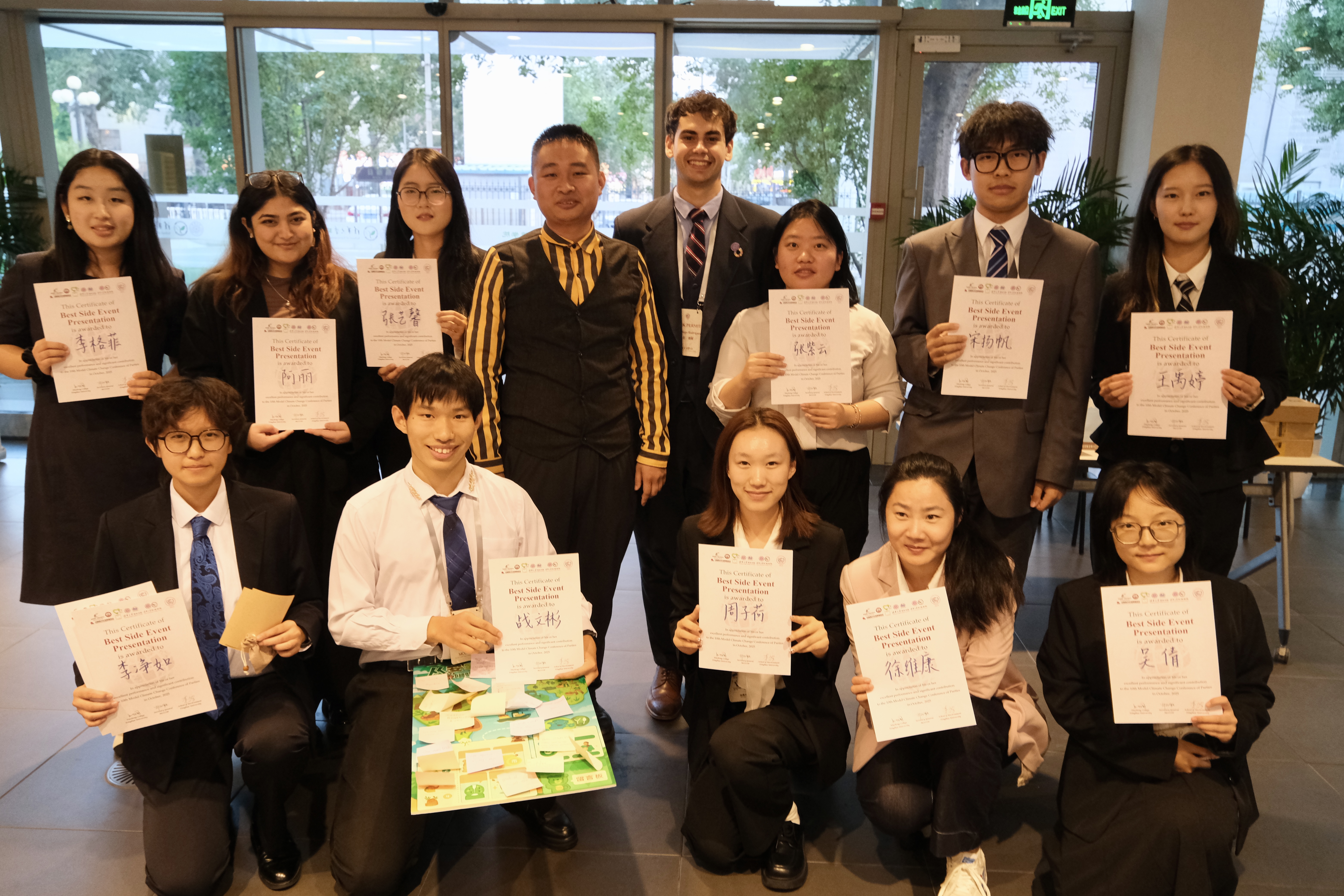
Award presentation for the AILAC and LMDCs delegations at the side event.
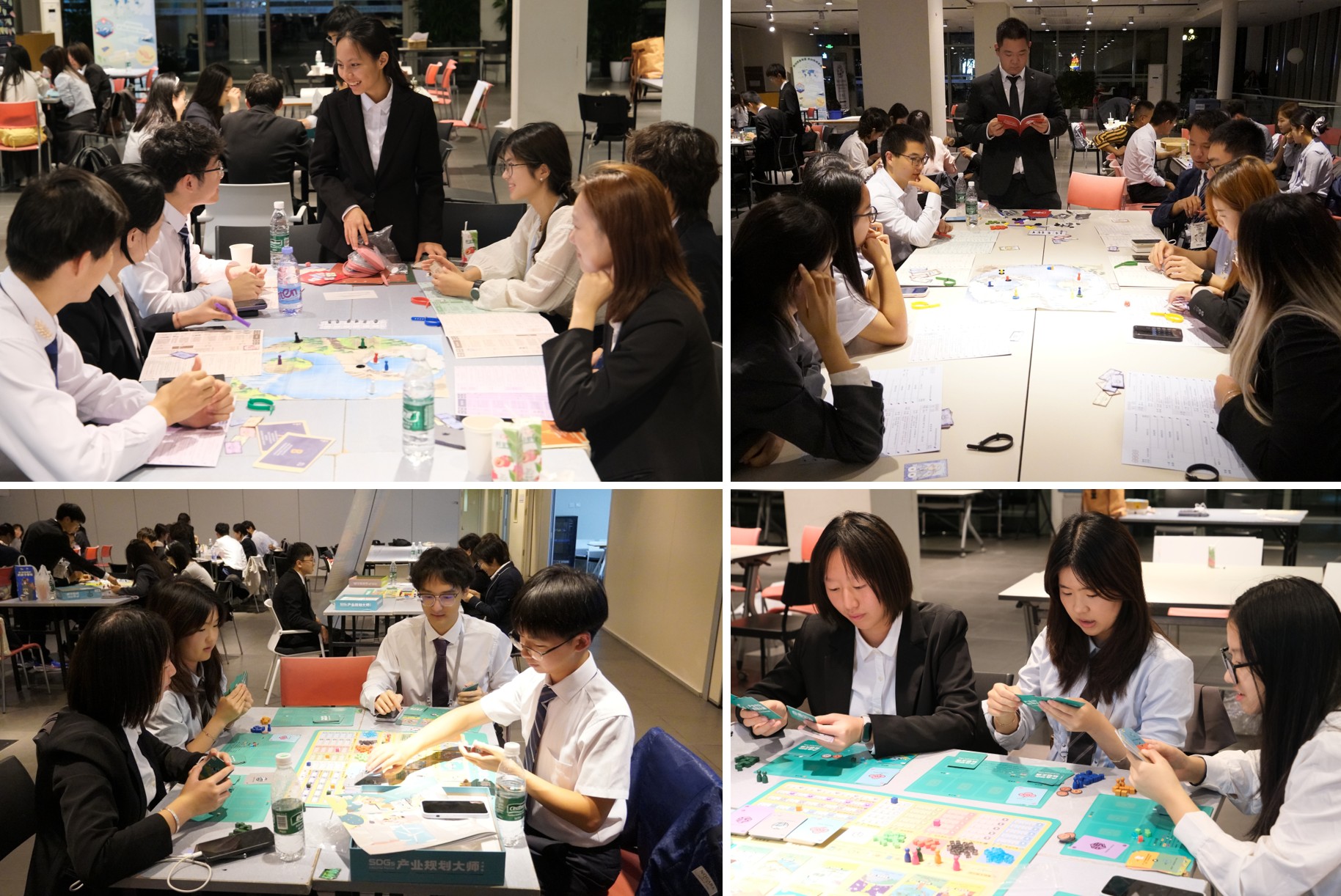
Facilitators guiding delegates through climate-themed board games.

Official adoption of the draft resolutions.
The closing ceremonies were held on October 2 and 3, respectively. The conference recognized outstanding performances with awards for Best Delegate, Outstanding Delegation, and Best Position Paper.
Category |
Recipient Name (English) (Main Venue) |
Recipient Name (English) (Sub-Venue) |
Best Delegate |
Li Jingyao |
Shao Diana |
Excellent Delegate |
Yu Ziheng, Ma Jiajun |
Jiang Jichen, Miao Chelsea |
Honorable Mention |
Li Jingru, Ma Hejun |
Zhang Wing |
Best Style |
Wang Chenxuan, Li Yiman |
Rimi, Li Qinya |
Best Delegation |
Singapore (Sui Zhiyu, Chen Yanyou, Yang Jingyi, Zhang Zhiling) |
Cuba (Yang Gengle, Jiang Chenkai) |
Outstanding Delegation |
France (Huang Yanbo, Chen Xiaotong, Zhao Shichong, Wang Xinchun) |
Antigua and Barbuda (Mo Jialin, Zeng Ziyi) Samoa (Liu Ximou, Chen Lidan) |
Best Position Paper |
Cuba, Australia |
Australia |
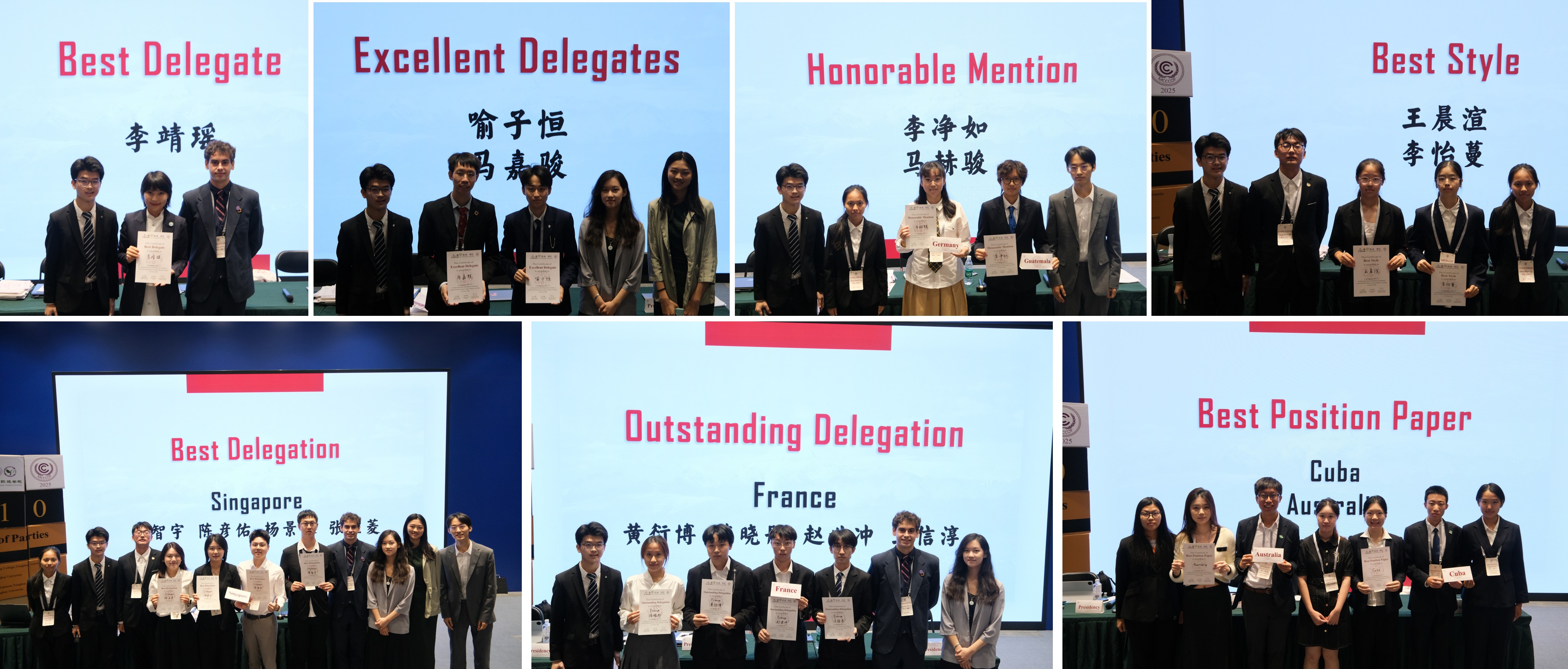
Award presentation for winning delegates at the main venue.
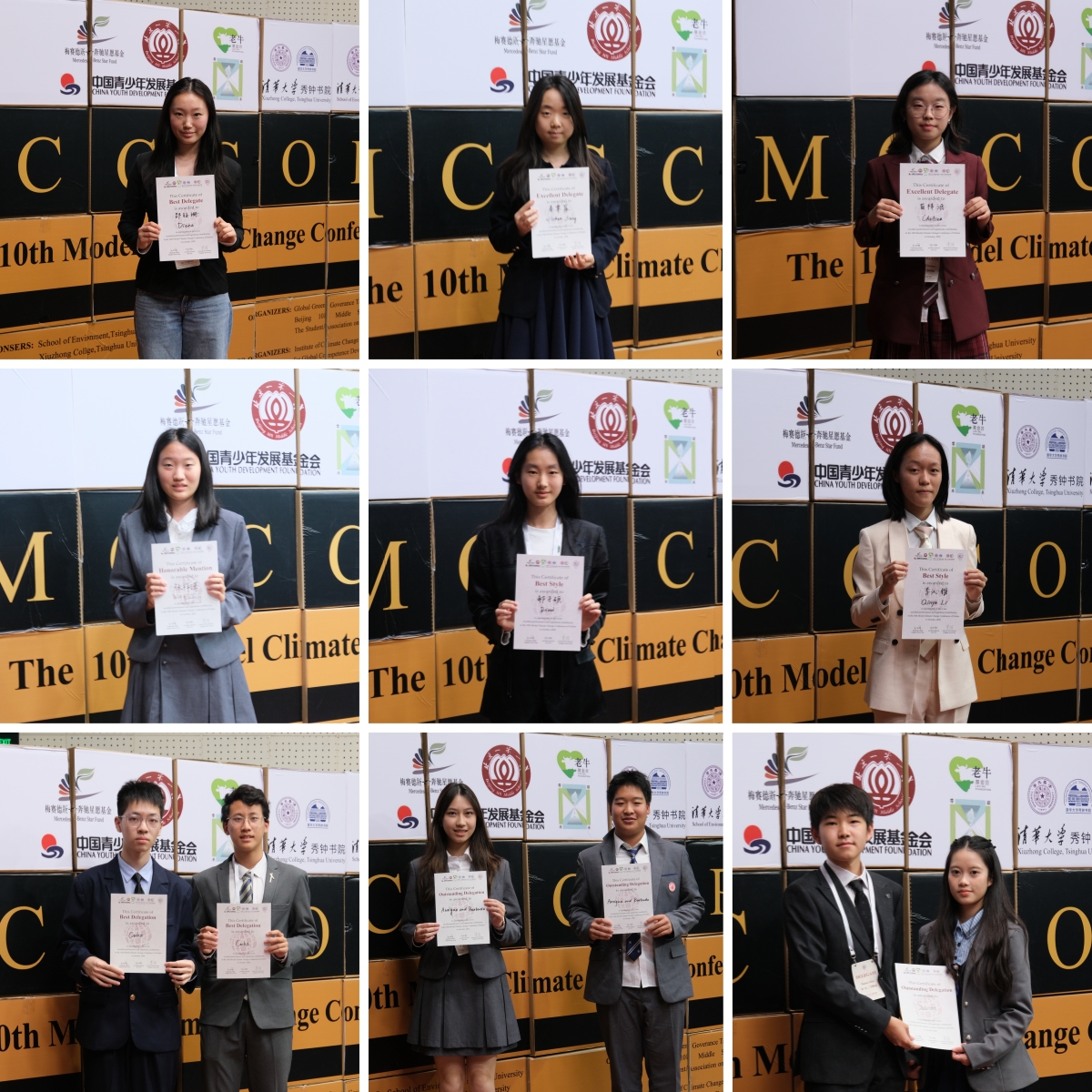
Award presentation for winning delegates at the satellite venue.

Group photo of the closing ceremony at the main venue.
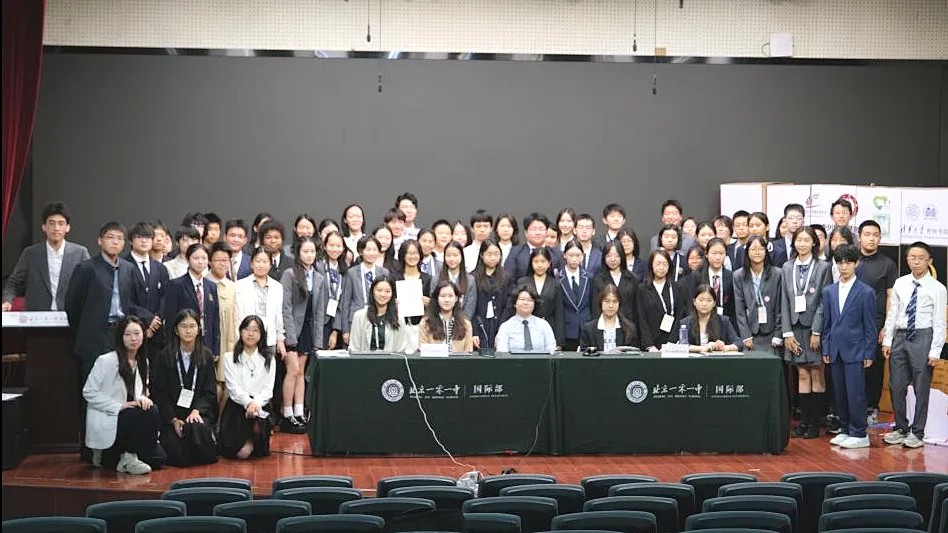
Group photo of the closing ceremony at the sub-venue.
The successful conclusion of MCCCOP10 reinforces Tsinghua University’s commitment to fostering global competence among youth and contributing to global climate governance through education and international exchange.